Kiss Me Irish Gnomes SVG
A Cheerful, Compact Design That Fits Real Embroidery Work
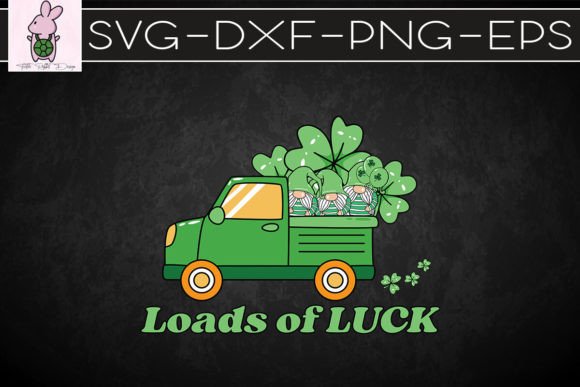
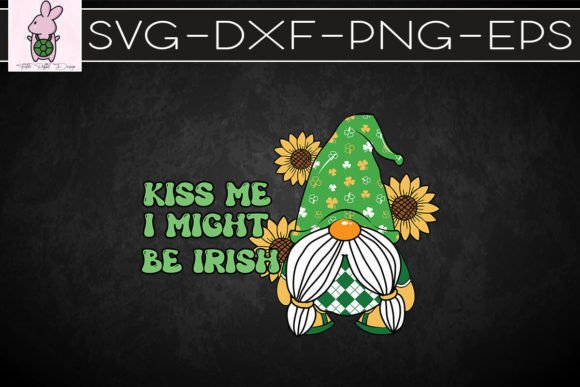
As someone who’s stitched hundreds of designs onto everything from baby onesies to boutique aprons, my first impression of Kiss Me Irish Gnomes SVG was immediate: it’s playful without being cutesy, festive without feeling dated, and compact enough to work on a cup-sized hoop—yet still carries visual weight. The gnomes are rounded, friendly, and slightly whimsical, with clover accents and “Kiss Me” in a gentle script that reads clearly even at 3 inches wide. It’s not overly detailed—no tiny eyelashes or intricate embroidery-only flourishes—but that’s exactly why it succeeds as a machine embroidery design for real-world use.
Where It Shines: Tote Bags, Sweatshirts, and Holiday Gifts
I tested Kiss Me Irish Gnomes SVG on a natural canvas tote bag for a St. Patrick’s Day pop-up shop—and it landed perfectly. The layout is balanced: two gnomes flank the phrase, leaving breathing room for clean stitching and fabric drape. On midweight cotton, the satin stitch edges held crisp lines, and the fill stitch areas stayed smooth without puckering. It also translated beautifully to a soft unisex sweatshirt—especially when paired with a light stabilizer and medium-weight tear-away. For Etsy sellers or small shop owners, this is a smart personalized gift option: pair it with green thread on cream linen tea towels, or reverse it with white thread on dark denim patches. It’s equally effective as a custom apparel motif for spring markets, baby shower favors (think embroidered burp cloths or bibs), or even nursery decor—just scale it down slightly and use a lightweight cutaway stabilizer.
Where to Pause: Texture, Scale, and Fabric Choice
That said, Kiss Me Irish Gnomes SVG isn’t universally forgiving. On highly textured fabrics like terry cloth or heavy bouclé, the finer details—like the curve of the gnome’s hat brim or the spacing in “Kiss Me”—can blur during stitching. I’d avoid it on thin knits or stretchy jersey unless you’re using a high-hold stabilizer and reducing stitch density manually. Dark fabrics demand careful thread color testing: the script relies on contrast, so a pale mint or gold thread may vanish on navy or charcoal. And while it’s labeled “cup-sized,” don’t assume it fits every 4” hoop without checking your software preview—some machines compress spacing differently. If you’re planning embroidered patch production, test the outer edge definition; tight curves can soften on heat-applied backing unless digitized with consistent underlay.
What Customers Actually Notice
Your buyers don’t see vector paths or file formats—they see charm, clarity, and craftsmanship. When I stitched Kiss Me Irish Gnomes SVG onto a linen pillow cover for a local boutique, customers consistently commented on how “happy” and “handmade-feeling” it looked—not mass-produced or pixelated. That warmth builds trust. It reinforces the value of your handmade product, especially next to generic clip art. For craft businesses, that perceived authenticity directly supports pricing confidence and repeat orders. Just remember: if you’re listing it as an Etsy seller, make sure your product photos show both light and dark fabric applications—customers want to imagine it on *their* tote, not just yours.
Design Assets That Support Your Workflow—Not Slow It Down
The inclusion of PNG files with transparent backgrounds is genuinely useful—not just for mockups, but for layering in design software before digitizing. I used the PNG to preview how Kiss Me Irish Gnomes SVG would align with a border stitch on a kitchen towel, saving time on rehooping. The DXF version? A quiet win for laser-cutters or vinyl users who want to coordinate embroidery with appliqué or iron-on elements. As a digital embroidery file, it’s clean, well-spaced, and avoids overlapping paths—meaning fewer jump stitches and smoother machine runs. That reliability matters when you’re juggling client deadlines or prepping for a craft fair.
Practical Notes Every Embroidery Designer Should Check
- Always test on scrap fabric first—especially with new thread brands or stabilizer combos.
- Review stitch density in your embroidery software: dense fills may need reduced density for lightweight fabrics.
- Confirm hoop size compatibility—“cup-sized” varies across brands; measure the design width before hooping.
- Inspect small corners and letter terminals in your preview window—look for potential thread breaks or skipped stitches.
- Test black-and-white mockups to gauge contrast on both light and dark backgrounds.
- Use proper stabilizer: medium tear-away for stable wovens, cutaway for knits or stretchy blends.
- Verify licensing terms before selling finished items—if you’re a commercial embroidery provider, confirm whether resale rights are included.
Fitting Into Your Creative Business—Without Compromise
Kiss Me Irish Gnomes SVG doesn’t try to be everything. It’s not a sprawling monogram set or a multi-layered applique design. It’s a focused, joyful embroidery project element—ideal for seasonal collections, small-batch merchandise, or quick-turn personalized gifts. For makers who value efficiency *and* personality, it bridges the gap between speed and soul. Whether you’re building a craft business around Irish-themed goods, curating a spring line for your handmade shop, or simply looking for a reliable graphics asset that stitches cleanly—it delivers consistency without sacrificing character. Just treat it like any thoughtful design choice: test it, tune it, and let its lighthearted energy do the rest.