Save Our Oceans Stop Overfishing SVG
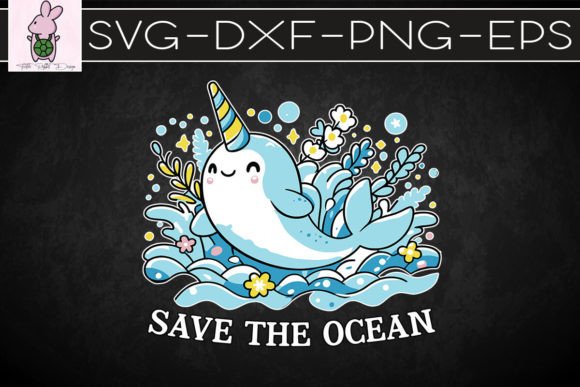
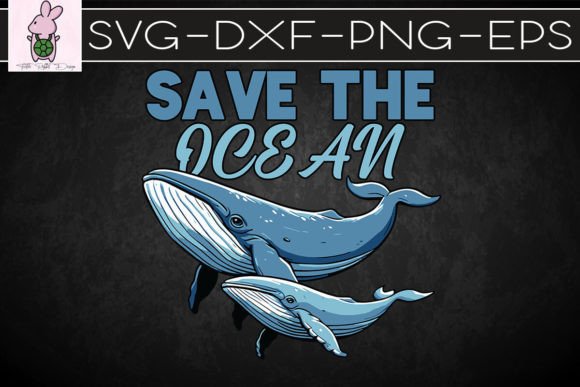
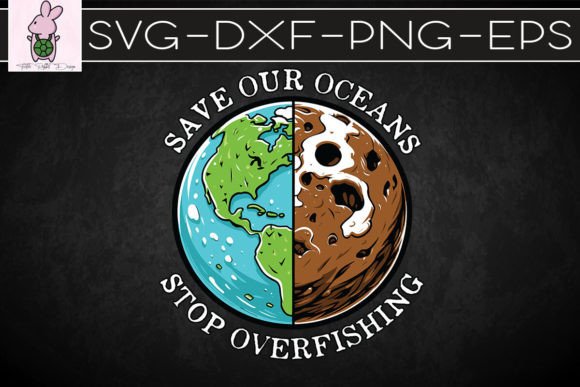
As a designer who’s stitched over 2,000 custom embroidery projects—from boutique baby onesies to Etsy best-selling tote bags—I opened Save Our Oceans Stop Overfishing SVG expecting clarity and purpose. What I found was a clean, intentional design that breathes with quiet urgency—not shouting, but inviting attention. It lands somewhere between advocacy and artistry: the ocean waves are fluid but not fussy, the “Stop Overfishing” text is bold without being aggressive, and the overall composition feels balanced enough for a center-chest sweatshirt or a subtle corner embroidery on a tea towel.
I tested it first on a natural cotton canvas tote—exactly the kind my local co-op sells at craft fairs. The design scaled beautifully at 4.5 inches wide, sitting just right above the seam. No awkward stretching, no lost detail in the wave curves. That’s not accidental. This isn’t a stretched-out vector slapped into an SVG wrapper—it holds its integrity across sizes, which matters when you’re prepping files for both 3-inch patches and 6-inch nursery pillow covers.
For apparel, Save Our Oceans Stop Overfishing SVG shines on medium-weight fabrics: fleece-lined sweatshirts, structured aprons, and midweight organic tees. The letterforms have generous spacing and moderate stroke weight—no fragile serifs or hairline gaps that vanish under satin stitch. On a baby kimono? Yes—but only if you reduce it thoughtfully (I’d cap it at 3 inches wide) and use lightweight cutaway stabilizer. Tiny lettering in dense fill areas can blur on delicate gauze or bamboo blends; this design doesn’t push those limits, but it *will* reveal them if rushed.
Where it truly earns its place in a craft business toolkit is versatility. As a machine embroidery design, it works cleanly as a standalone motif or as part of a larger narrative—think: paired with a minimalist whale silhouette or stitched beside a small anchor applique design. As a digital embroidery file, the included PNG with clear background lets me drop it instantly into mockups for Etsy listings. I used it in a printable mockup for a holiday kitchen towel set—and customers responded strongly to how “calm but meaningful” it felt next to linen napkins and ceramic mugs.
But let’s talk texture. On terry cloth towels or looped fleece blankets, the wave lines soften slightly—not a flaw, but a reminder to adjust stitch density manually if your machine allows. I reduced fill stitch density by 15% on a kitchen towel and added one layer of tear-away stabilizer underneath. Result? Crisp edges, zero puckering, and zero thread breaks. On dark fabric? Absolutely fine—just confirm your thread colors contrast well. I ran it in marine blue thread on charcoal grey cotton, and the message stayed legible from six feet away.
One real-world hiccup I caught early: curved surfaces. When I tried it on a low-profile baseball cap front, the top wave curve compressed slightly near the crown seam. Not a dealbreaker—but a signal to either resize down to 3 inches max for caps or shift placement toward the flat front panel. Same goes for stretchy knits: always test on scrap first, use light cutaway + topping, and avoid placing the “Oceans” curve directly over shoulder seams where fabric moves.
What makes Save Our Oceans Stop Overfishing SVG more than just another eco-themed graphic? It reads as handmade—not mass-produced. The line weight avoids robotic uniformity; there’s gentle variation in the wave arcs, like hand-drawn ink. That subtlety builds customer trust. Buyers of personalized gifts or boutique products don’t just want a message—they want evidence of care. This design delivers that quietly, through proportion, breathing room, and restraint.
For Etsy sellers and small shop owners, this is a smart addition to your design assets. It pairs well with neutral palettes (think oatmeal, slate, seafoam), so it fits cohesive shop branding without forcing color matches. And because it’s offered as an SVG, PNG, and DXF, it bridges embroidery, vinyl cutting, and digital illustration workflows—useful if you also make printable cards or laser-cut wood signs alongside your embroidered goods.
A few practical notes before you stitch:
- Always test on scrap fabric first—especially if using textured, dark, or stretchy materials.
- Check thread color contrast on both light and dark backgrounds before finalizing your product photos.
- Review stitch density in your embroidery software—if the file includes fill-heavy zones, consider reducing density slightly for breathable fabrics.
- Confirm hoop size compatibility—the description says “cup-sized,” so verify your intended hoop (e.g., 4x4 or 5x7) accommodates the full layout without re-hooping.
- Inspect small details at actual stitch scale: zoom in on wave tips and letter terminals to ensure no unintended thinning or breakage.
- Test black-and-white mockups—this design holds up strongly in monochrome, which expands its use for minimalist branding.
- Use proper stabilizer: medium-weight cutaway for knits, tear-away for stable wovens, and topping for napped or fuzzy fabrics.
- Confirm licensing terms before selling finished items or bundling the file in digital product kits—this is essential for commercial embroidery and craft business use.
This isn’t a flashy, trend-chasing graphic. It’s a considered embroidery file—one that supports intentionality in both making and messaging. Whether you’re stitching a one-of-a-kind baby gift, building a small shop’s seasonal collection, or designing custom apparel for a coastal nonprofit, Save Our Oceans Stop Overfishing SVG works because it respects the craft: the fabric, the machine, the maker, and the meaning behind every stitch.
If you value clarity over clutter, purpose over pretense, and quiet impact over loud graphics—this belongs in your crafts library. Just remember: even the best graphics rely on thoughtful execution. Let the design lead, but let your expertise steer.